Showing posts with label budget writing. Show all posts

Tuesday, October 24, 2006

(Workshop) Spending Analysis

When you make a budget for yourself, it can be like we did last week in the Financial Literacy workshop, where we worked to build a budget based on estimations about future spending, or it can be a budget to show past spending. Today at First Work, we will be taking another look at breaking down costs and making a budget in the second way--from the ground up.

You will be given a bunch of receipts showing expenses from May to October for a fictional organization. Your job is to create a spreadsheet in Microsoft Excel to chart the expenses in different categories of spending. First answer the questions below, and then try your hand at sorting and recording.

Questions

  1. What different categories of spending do the purchases seem to fall in? (Are most of the receipts from grocery stores? Are there some amounts spent for other types of purchases?)
  2. What types of information from the receipts do you think it would be necessary to fill in about the purchases? What information would be okay to omit?

Once you figure out this information, you are ready to start a spreadsheet to record information about the individual items on the reciepts.

Project Add-On

Your boss is pleased with your list, but wants two things added: she wants you to (1) Add a box to show the total spending in each of the categories, and (2) Sort your list by date.


Excel Tips

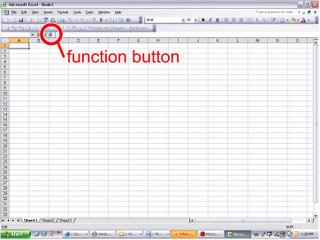
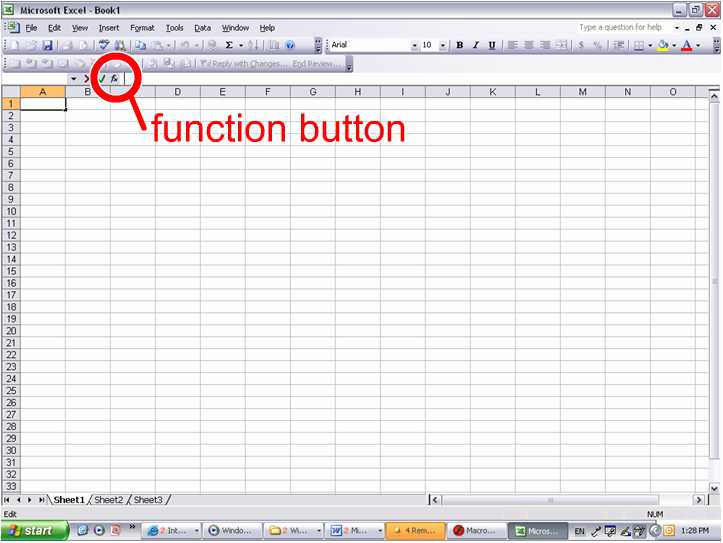
  • Remember that you can use functions in Excel to help you when you need to do some math with numbers that are already on the spreadsheet. Your hint with formulas is the location of the function button, as shown below.


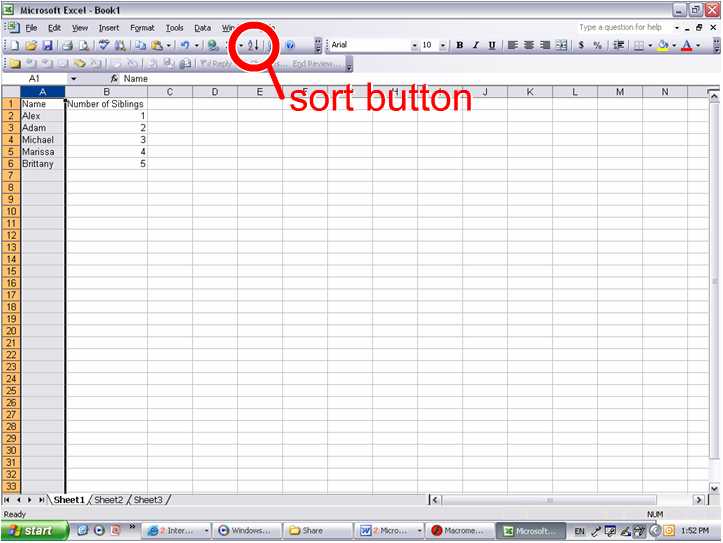
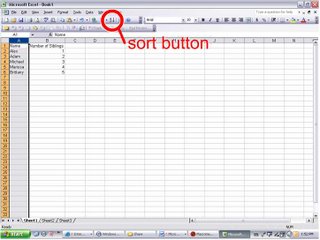
  • You can also use Excel to sort information for you automatically with the sort button. To use the sort button, you must first select the items you want to sort. The location of the sort button is shown in the picture below.
Friday, July 21, 2006

MIYB Project 3

Financing


Background
According to the United States Small Business Association, successful business planning takes into account several aspects of designing a businsess. An integral stage in the planning phase is financing. According to the website on starting a business, financing is often what makes--or breaks a business:


While poor management is cited most frequently as the reason businesses fail, inadequate or ill-timed financing is a close second. Whether you're starting a business or expanding one, sufficient ready capital is essential. But it is not enough to simply have sufficient financing; knowledge and planning are required to manage it well. These qualities ensure that entrepreneurs avoid common mistakes like securing the wrong type of financing, miscalculating the amount required, or underestimating the cost of borrowing money. (Financing Basics, my emphasis)

The Project
Today's project will ask you to budget out the projects you did for the last four MIYB days. By the end of the day today, you will need to hand in an Excel Spreadsheet that shows the total estimated startup costs for your business and explain any changes to the business plan you make based on budget considerations.


Here are some resources to help you get started and focused:

______Budget Resources_________
Startup Costs Calculator (This is a good place to get ideas for your spreadsheet)
Contractor Listings (They can give you quotes to help estimate your remodeling costs)


_______Floor Layout________

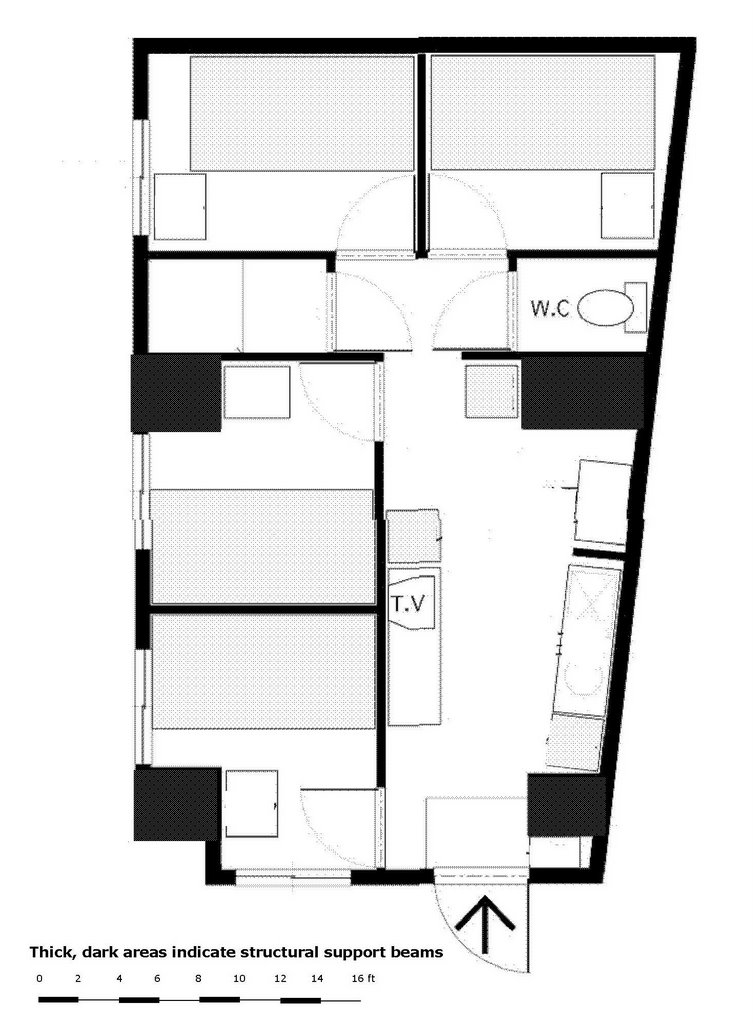
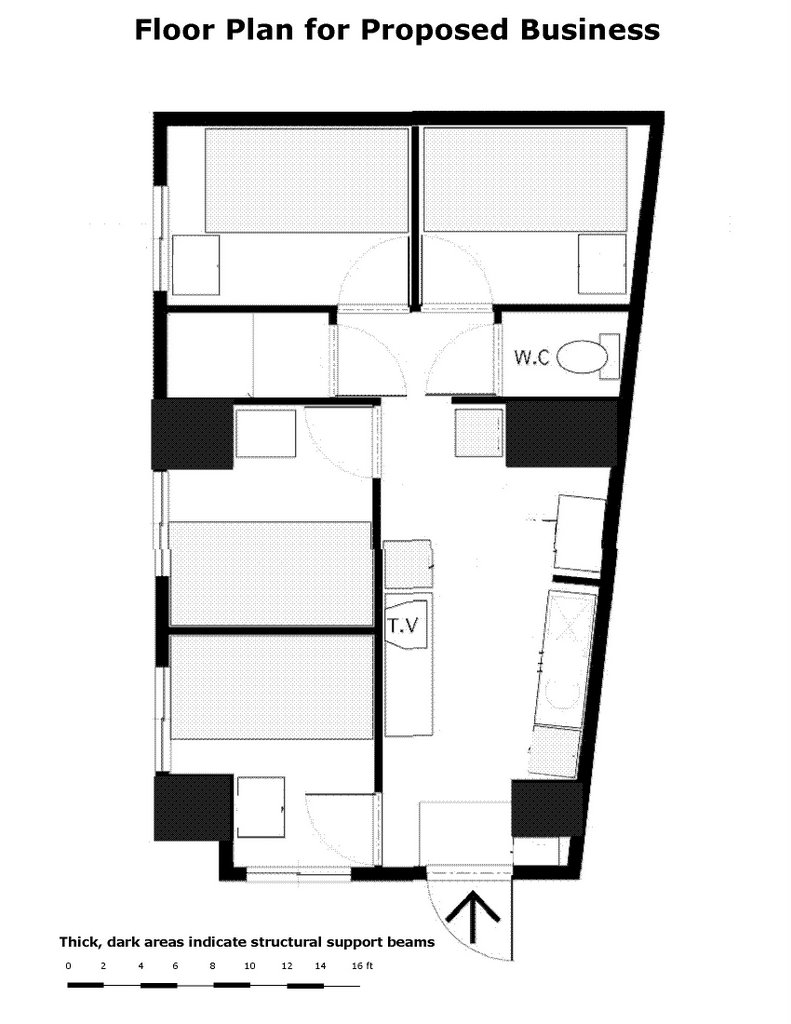
(To print out the floor layout so that it shows correctly, click on the picture, go to File > Page Setup in the new window that opens up, delete the values for Header and Footer, set all margins to zero, click OK, and then print the picture by clicking File > Print > Print.)

Tuesday, June 06, 2006

Saving Options

To your surprise, you find out that you’ve won the lotto. Then, to your horror, you are told that you won’t be walking off with a Publishers Clearinghouse-sized check for $25,000,000. The lotto that you won is a special kind of lottery; you can only receive your money in one of two ways.

Your first choice is to collect $100 a day for the next 30 days. After 30 days, all payment of winnings stops.

Your second choice also allows you to collect prize money for only 30 days. On the first day, you will collect one cent ($0.01). On the second day, you’ll collect twice what you collected on the first (i.e., $0.02). On the third day, you’ll collect twice what you collected on the second, etc.

Which option would you opt for, and why?

~~~~~~~~~~~~~~~~~~~~~~~~~~~~~~~~~~~~~~~~~

Answerspace: